🇿🇦 Clearsay South Africa Is Launching Soon: A New Era of Verified Business Reviews

Trust Is No Longer Optional
In today’s reputation-driven marketplace, verified customer reviews are no longer a “nice to have”. They are a commercial asset. Customers compare, search, validate, and judge businesses before they ever make contact. For service-led businesses, the first impression rarely happens at reception, on the phone, or during a consultation. It happens online.
This is where Clearsay’s Trust Loop becomes strategically important. The document positions trust as a digital differentiator and explains how client satisfaction can be converted into measurable growth through authentic experiences, verified reviews, visible trust signals, improved discoverability, and new customer acquisition.
Most businesses already create value for their customers. The problem is that much of that value remains invisible. A happy client may recommend the business privately, but unless that experience is captured, verified, displayed, and distributed, it does not compound. Clearsay changes that by turning genuine customer feedback into a structured growth system.
What Is the Trust Loop?
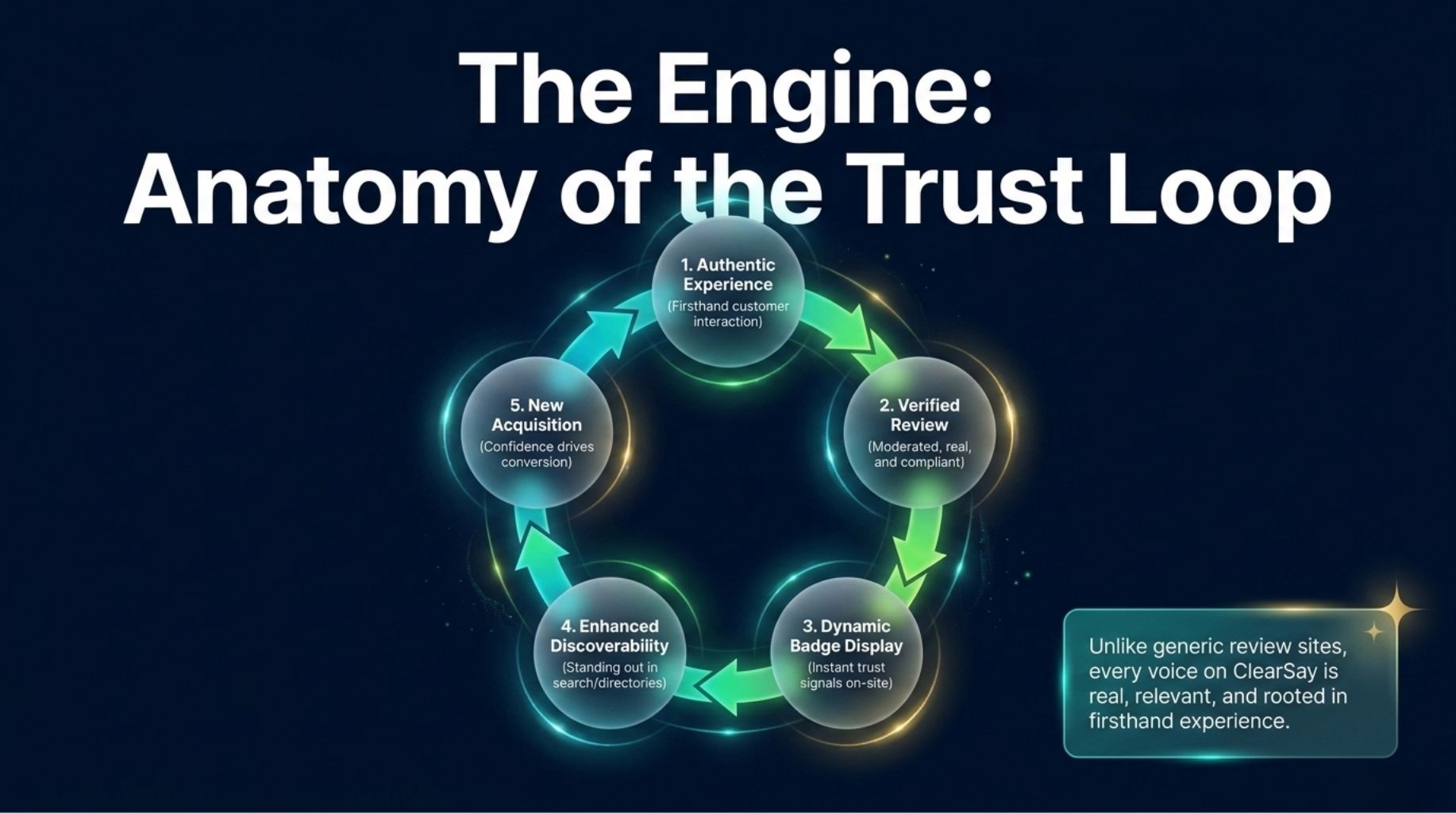
The Trust Loop is a simple but powerful cycle:
- A customer has an authentic experience.
- That experience becomes a verified review.
- The review is displayed through trust badges or widgets.
- The business becomes easier to discover and trust.
- New customers convert with more confidence.
Then the cycle repeats.
This matters because customer trust is not built from one review, one advert, or one testimonial. It is built from repeated proof. Every authentic review adds another layer of credibility. Every verified signal reduces buyer hesitation. Every visible badge gives prospects a reason to continue exploring rather than abandon the page.
The document describes this as a closed feedback loop, unlike generic review environments where feedback can be inconsistent, unverified, biased, or disconnected from real customer experience. Clearsay’s model is designed to keep the loop rooted in genuine interaction, moderated content, and practical business visibility.
For businesses, this means reviews should not be treated as passive comments. They should be treated as operational intelligence and marketing infrastructure.
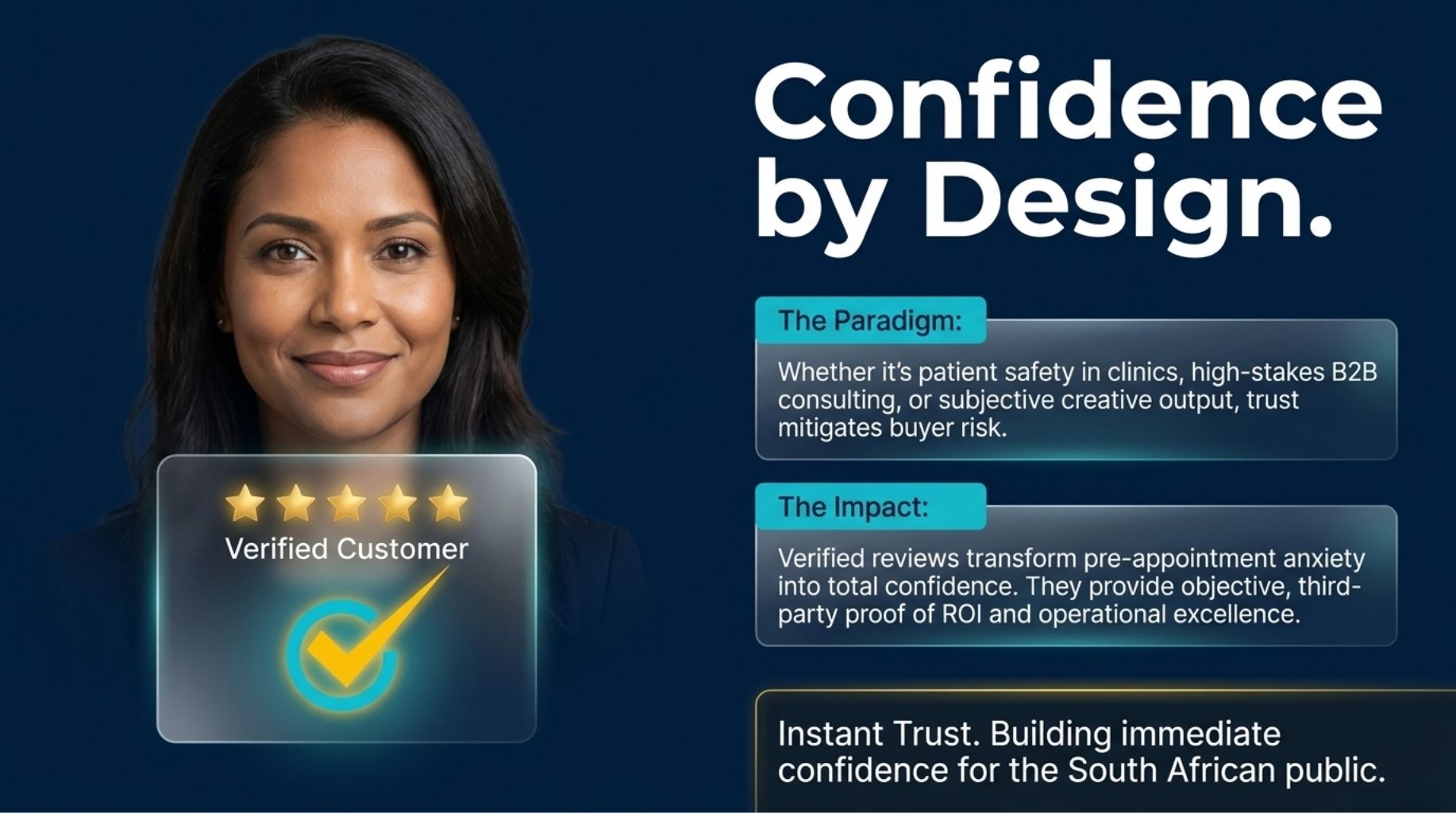
Step 1: Authentic Customer Experience
The Trust Loop starts with the real customer experience. That is important. Clearsay’s framework does not begin with advertising, automation, or promotional messaging. It starts with what actually happened between the customer and the business.
This gives the system its integrity.
A review has commercial value only when it reflects a genuine interaction. A fake review may create temporary noise, but it weakens brand equity over time. Customers are increasingly sceptical. They look for patterns, credibility, detail, and signs that feedback came from real people with real experiences.
For a business, this creates a clear strategic implication: reputation management cannot compensate for weak delivery. It can only amplify what is already happening. If the customer journey is strong, verified reviews help turn that strength into public proof. If the customer journey has gaps, feedback helps identify where the business needs to improve.
That makes Clearsay useful not only as a review platform, but as a customer insight mechanism. Businesses can use feedback to understand what customers value most, where friction appears, and which service moments create confidence.
In short, the Trust Loop starts at the operational level, not the marketing level.
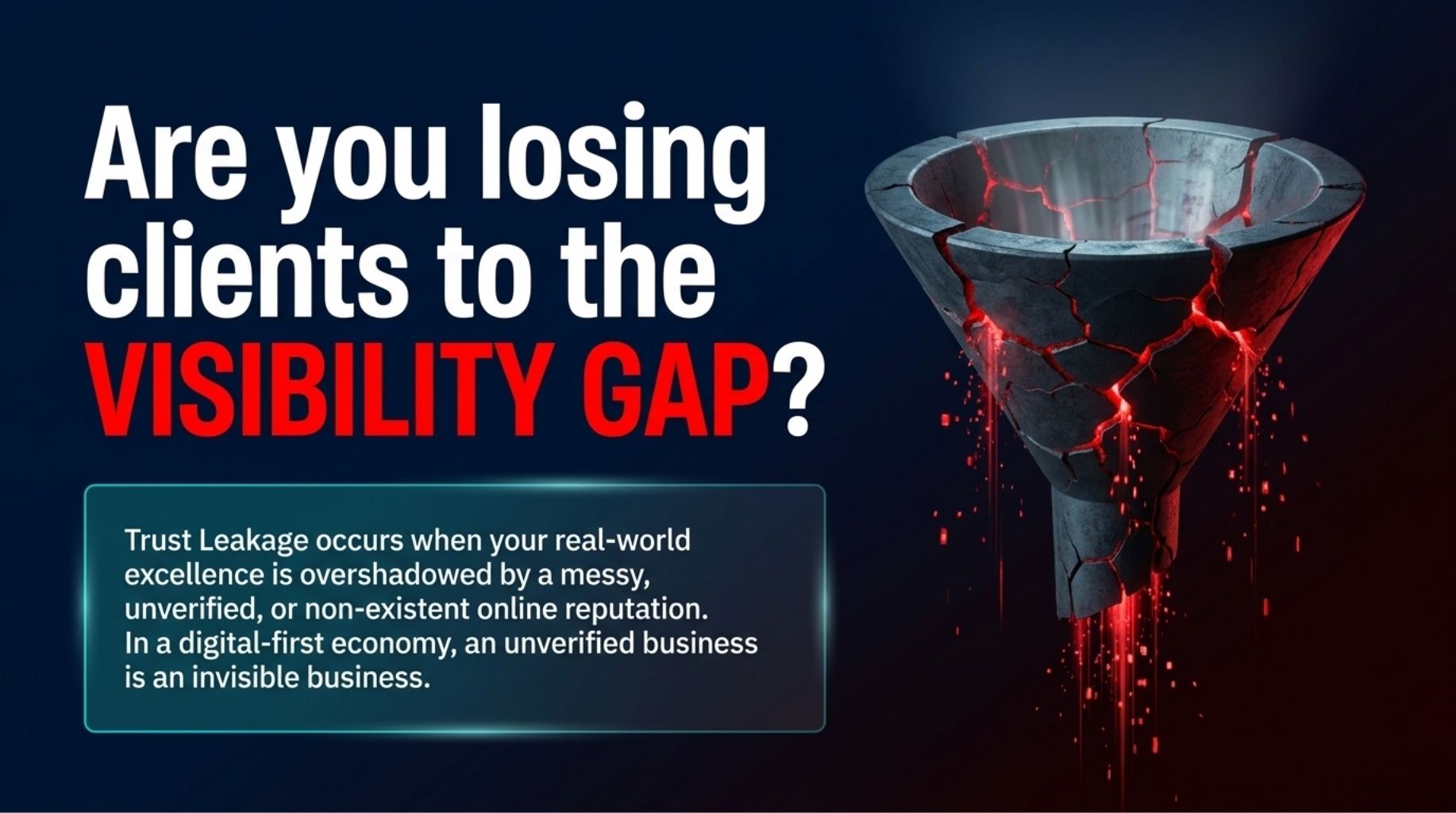
Step 2: Verified Reviews Create Credibility
Once the customer experience is captured, the next stage is verification. This is where Clearsay separates itself from weaker review ecosystems.
Generic review platforms can be exposed to fake reviews, competitor manipulation, incentivised comments, or biased feedback. The document highlights the Clearsay Standard as community-powered, moderated, rooted in firsthand experience, and aligned with compliance expectations.
For a serious business, this distinction matters. A review is only persuasive if the reader believes it. Verification acts as a credibility filter. It reassures potential customers that the feedback is not random noise, but a more reliable signal.
Verified customer reviews help reduce three major buyer concerns:
- Risk: “Can I trust this business?”
- Relevance: “Have people like me used this service?”
- Confidence: “Is this business consistent enough to contact?”
When reviews are moderated and connected to authentic experiences, they become more useful for both sides of the marketplace. Customers get better decision-making information. Businesses get stronger reputational assets.
The commercial outcome is clear: trust reduces friction. When customers feel confident, they are more likely to enquire, book, buy, or recommend.
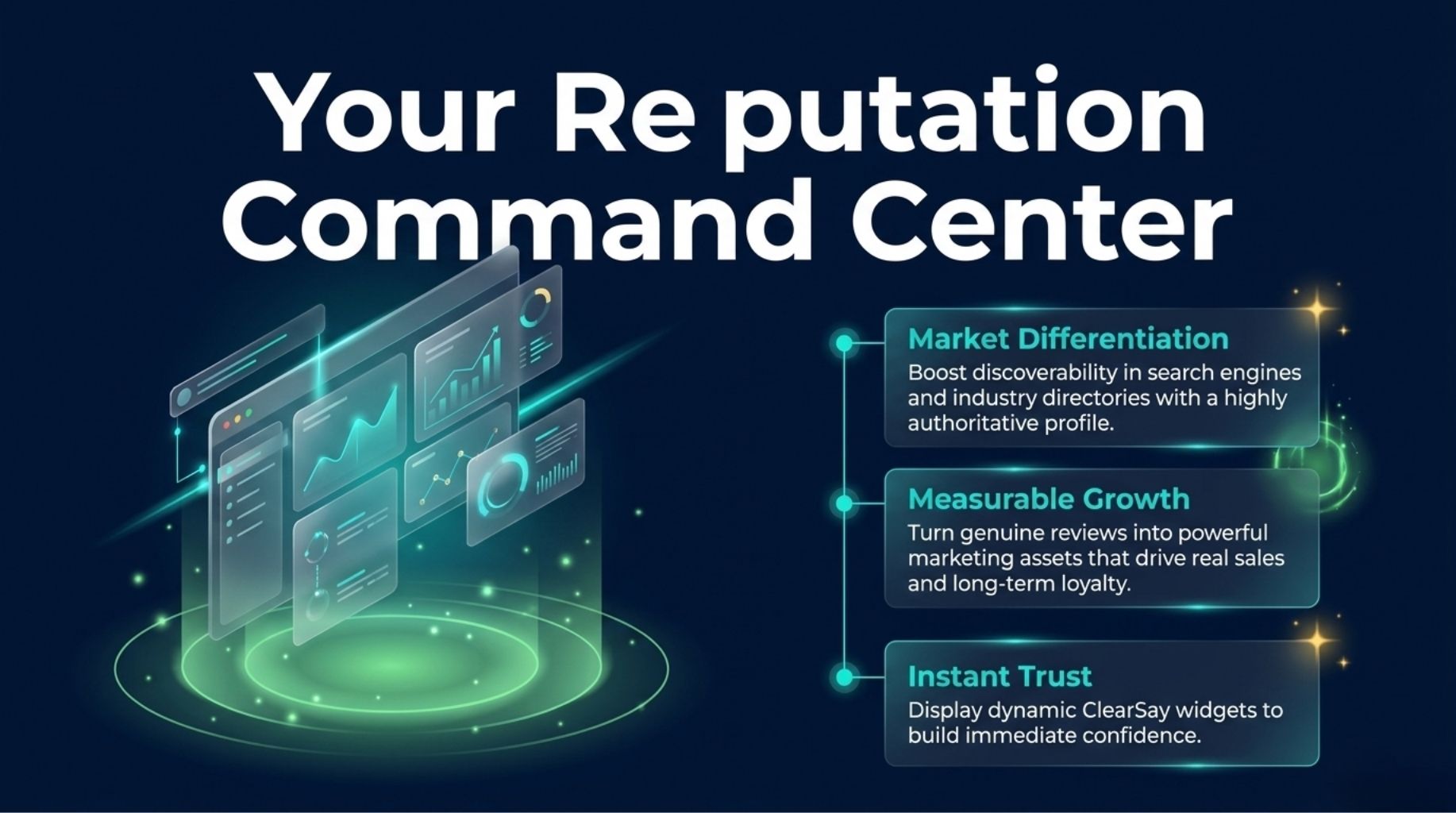
Step 3: Dynamic Badge Display Turns Feedback Into a Trust Signal
Collecting reviews is only half of the equation. The next stage is visibility.
The document presents the Clearsay badge and widget ecosystem as a way to display trust directly across business websites, email signatures, and online touchpoints. This includes dynamic star ratings, verified testimonial blocks, and automated review badges.
This is commercially significant because prospects do not always visit a review profile first. Many will land on a service page, homepage, quote form, contact page, or email exchange. If trust signals are missing at those moments, the business may lose the enquiry before the customer takes action.
A review widget works because it places proof where decisions happen.
For example:
- A customer comparing clinics sees verified patient feedback before booking.
- A business buyer reviewing a consultancy sees third-party validation before requesting a proposal.
- A homeowner evaluating a local service provider sees trust signals before submitting a form.
- A prospect reading an email signature sees credibility before replying.
Trust badges are not decoration. They are conversion infrastructure.
The stronger the visibility of verified feedback, the easier it becomes for the business to communicate credibility without over-selling.
Step 4: Enhanced Discoverability Builds Market Presence
The Trust Loop also supports discoverability. The document identifies market differentiation as one of Clearsay’s strategic advantages, describing authoritative profiles as a way to boost visibility in search engines and industry directories.
This is where reputation moves beyond social proof and becomes part of online visibility.
A business profile with credible reviews, structured information, service relevance, and category placement can support the broader digital footprint of a company. For small and medium-sized businesses, this is especially valuable. Many rely heavily on Google searches, local discovery, referrals, and category-based browsing.
The opportunity is not just to be seen. It is to be seen with credibility.
There is a major difference between appearing online and appearing trustworthy online. A business with no visible feedback may look inactive, unproven, or risky. A business with verified reviews and a structured profile gives customers more confidence to continue.
This is particularly important in competitive sectors such as healthcare, professional services, creative agencies, home services, trades, hospitality, and local business categories. When customers have several options, trust signals can become the deciding factor.
Enhanced discoverability is therefore not only an SEO issue. It is a positioning issue.
Step 5: New Customer Acquisition Closes the Loop
The final stage of the Trust Loop is new acquisition. When authentic experiences become verified reviews, and those reviews become visible trust signals, new customers are more likely to convert.
This is how customer satisfaction becomes a growth engine.
The document frames this as measurable growth: turning genuine reviews into marketing assets that drive sales and long-term loyalty.
The logic is straightforward. A satisfied customer leaves a verified review. That review improves the confidence of future customers. Those customers become clients. Their experiences generate more reviews. The business then gains more proof, more visibility, and more conversion leverage.
This is the compounding effect of trust.
However, businesses must manage the loop intentionally. Waiting for occasional reviews is not enough. The most effective businesses build review collection into the customer journey. They ask at the right time, use appropriate review invitations, respond professionally, and monitor patterns in feedback.
This does not mean pressuring customers. It means creating a clean, compliant process for genuine feedback.
A business that systemises trust has a long-term advantage over one that treats reputation as an afterthought.
The Trust Maturity Model: Establish, Automate, Weaponise
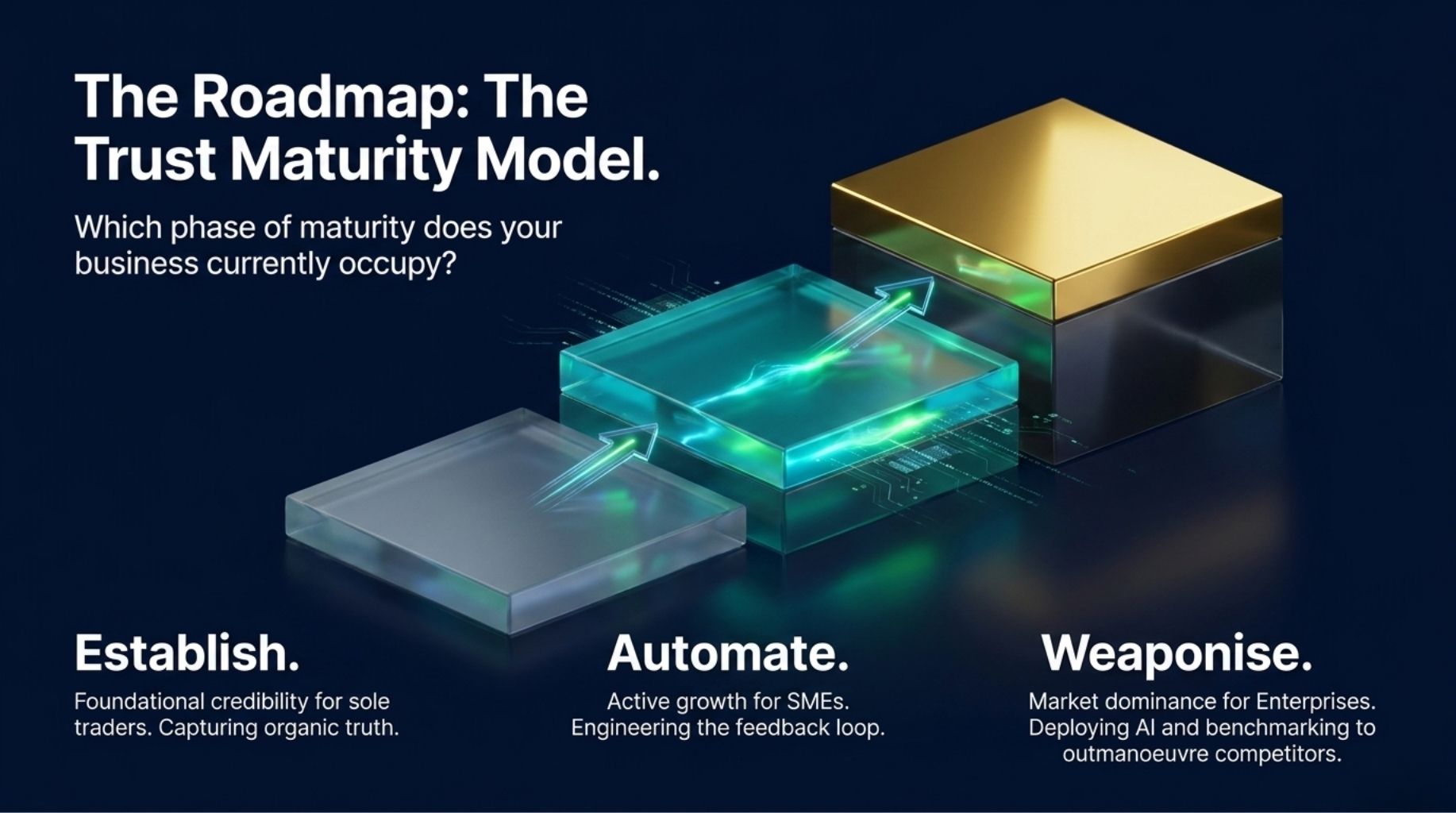
The document also introduces a useful maturity model: Establish, Automate, Weaponise. This helps businesses understand where they are in their reputation journey.
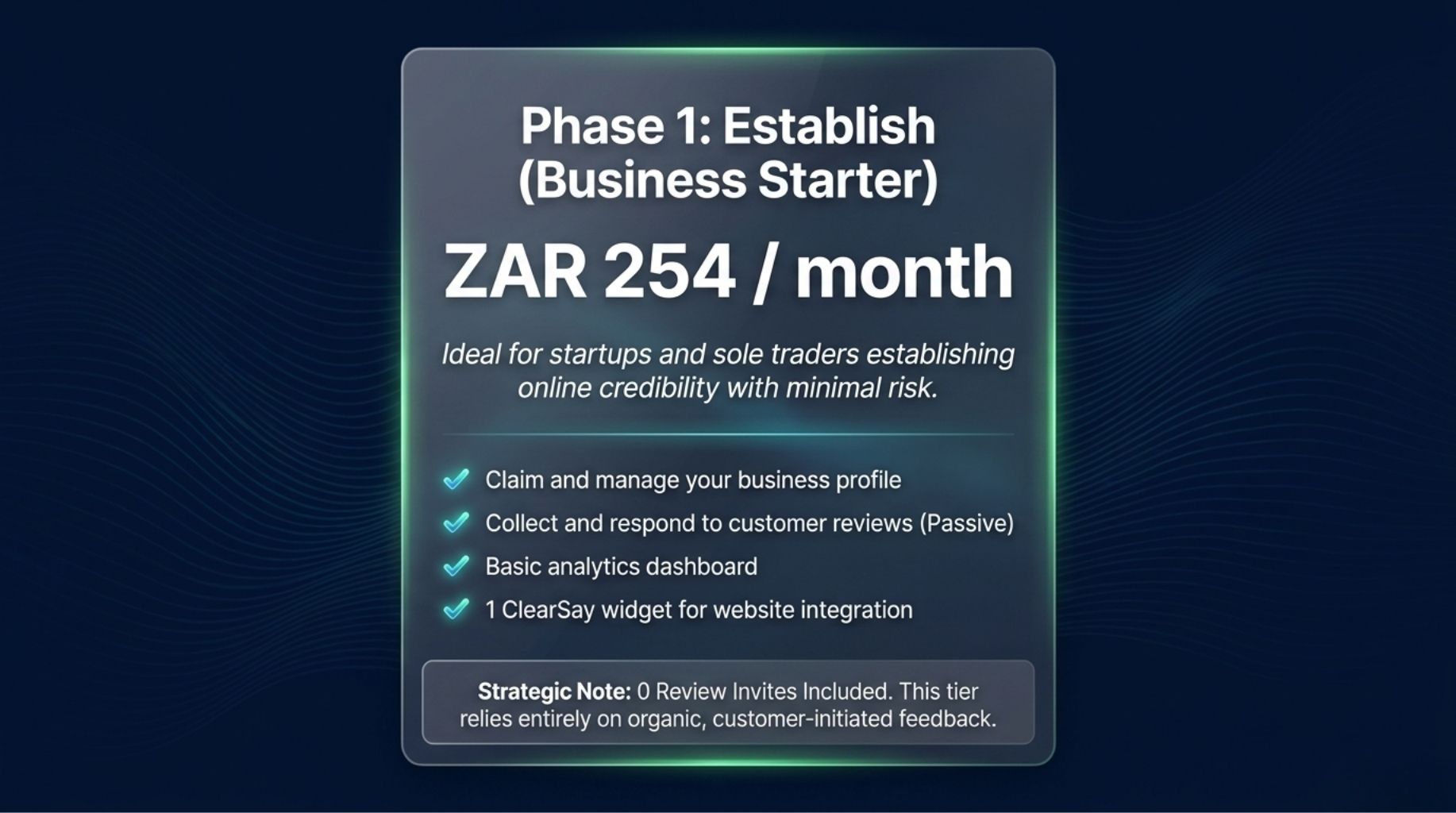
Establish
This is the foundation stage. A business claims and manages its profile, begins collecting customer reviews, and starts building credibility. This is particularly relevant for startups, sole traders, and smaller businesses that need a professional online presence.
At this stage, the goal is simple: become visible, credible, and review-ready.
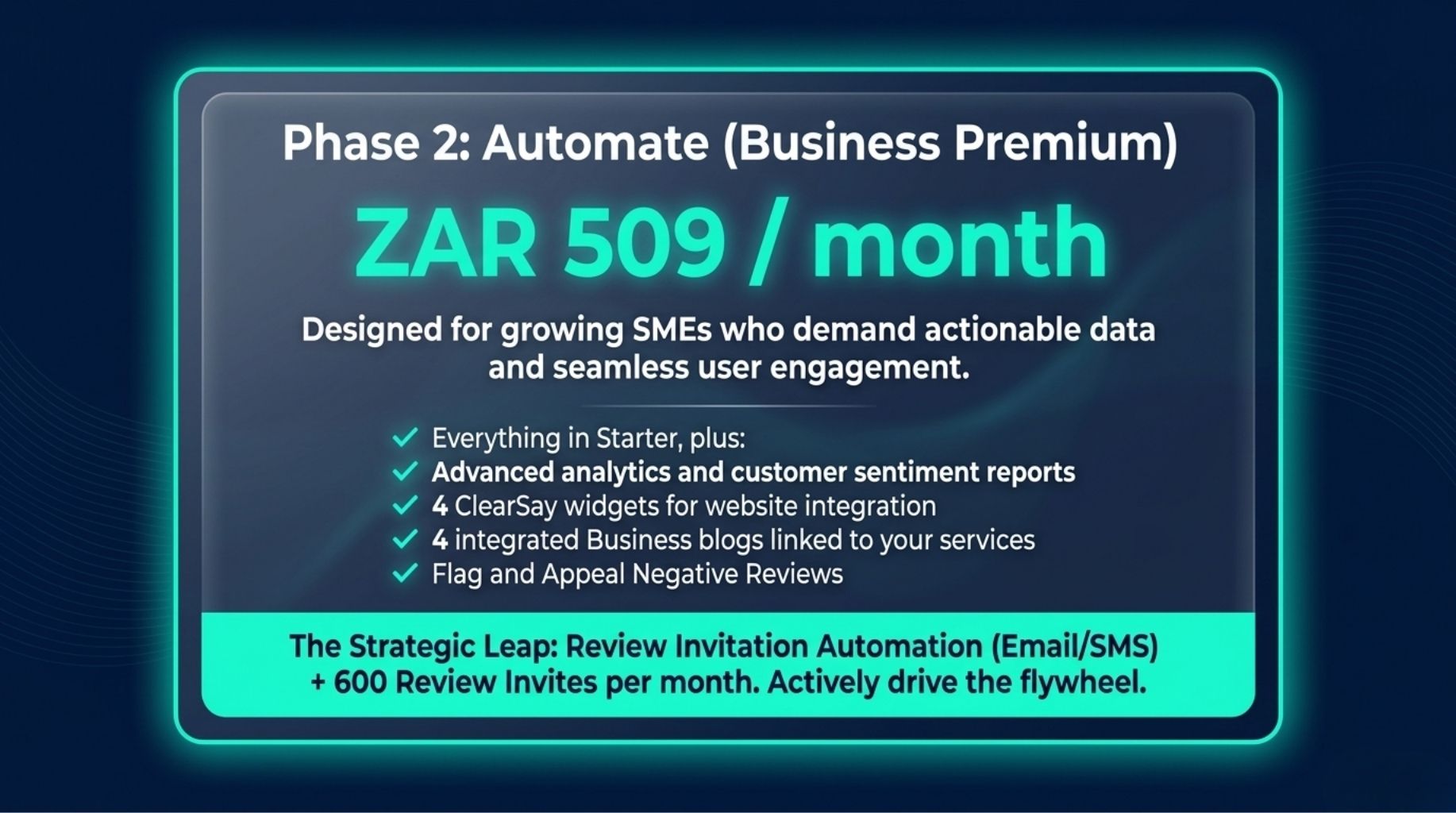
Automate
The second stage is for growing businesses that need more structure. This includes advanced analytics, sentiment reports, multiple widgets, review invitations, business blogs, and account support.
Here, the goal shifts from passive reputation collection to active feedback engineering.
Weaponise
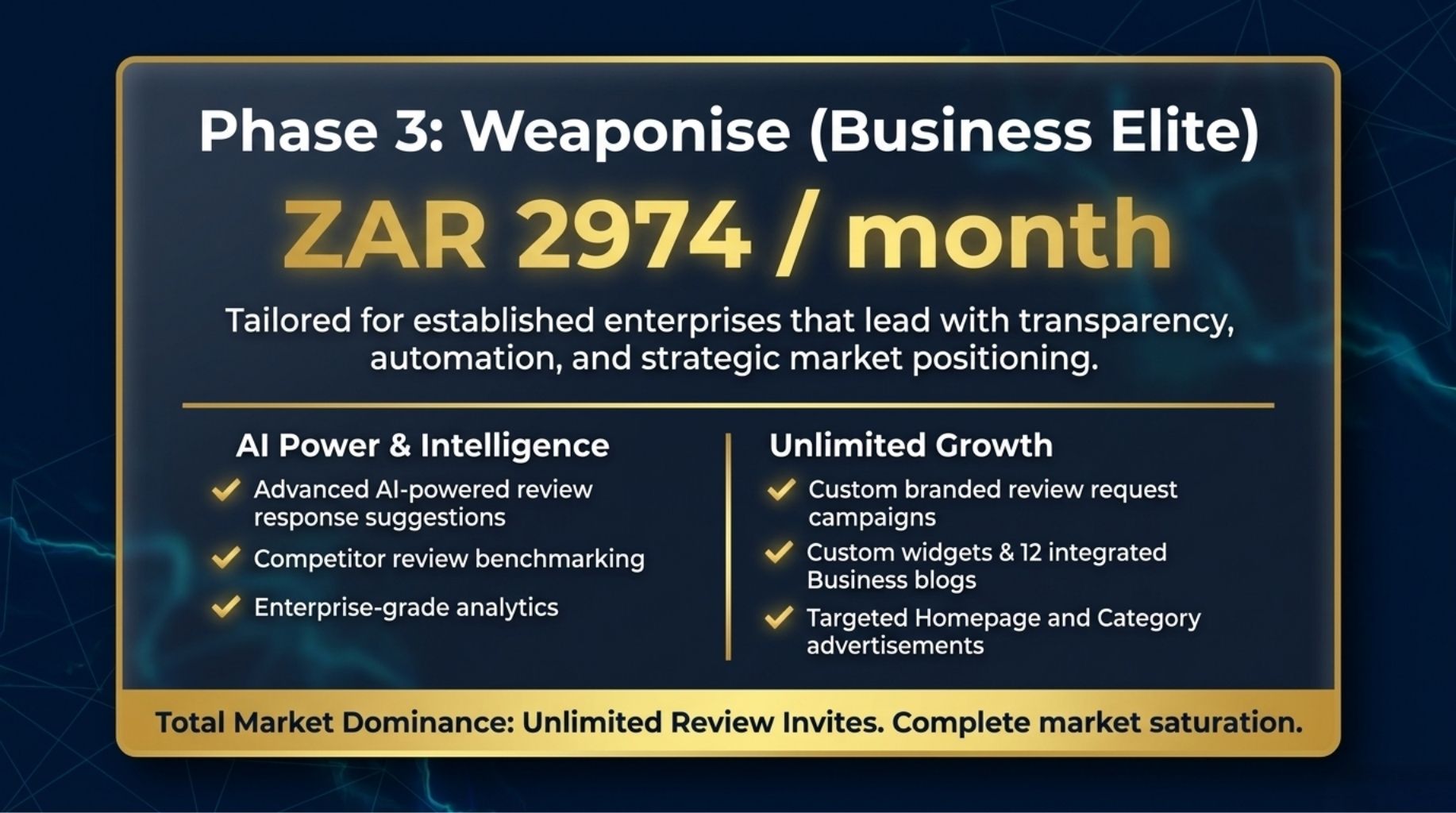
The third stage is for businesses that want market saturation and strategic category leadership. This includes branded review request campaigns, advanced AI-powered response suggestions, competitor benchmarking, premium analytics, dedicated support, and targeted advertising placements.
At this stage, reputation becomes a competitive weapon — not in an aggressive sense, but as a controlled, measurable advantage.
The model is useful because not every business needs the same reputation strategy. A new sole trader has different requirements from an established multi-location business. Clearsay’s phased model allows the business to scale its trust infrastructure in line with growth.
Why This Matters Across Different Industries
The document applies the Trust Loop to several sectors, including healthcare and clinics, professional consultancies, and creative agencies. Each example shows that trust operates differently depending on the buying decision.
In healthcare, trust is linked to confidence, safety, and reassurance. Verified reviews can reduce pre-appointment anxiety and help patients feel more informed.
In professional consultancy, trust is linked to expertise, return on investment, and operational credibility. A buyer needs evidence before committing to a long-term engagement.
In creative agencies, trust is linked to reliability, delivery, budget control, and strategic fit. Since creative output is subjective, verified feedback helps validate the agency’s process, not just its portfolio.
This is a critical point. Reviews are not only about whether a customer was “happy”. They explain why the business is credible in its category.
A strong review ecosystem helps answer the questions that matter most in each sector:
- Can this provider deliver consistently?
- Are customers treated properly?
- Does the business solve the right problem?
- Is the service worth the investment?
- Would previous customers recommend them?
The more clearly reviews answer those questions, the stronger the Trust Loop becomes.
The Verification Mechanism: Protecting the Integrity of the Signal
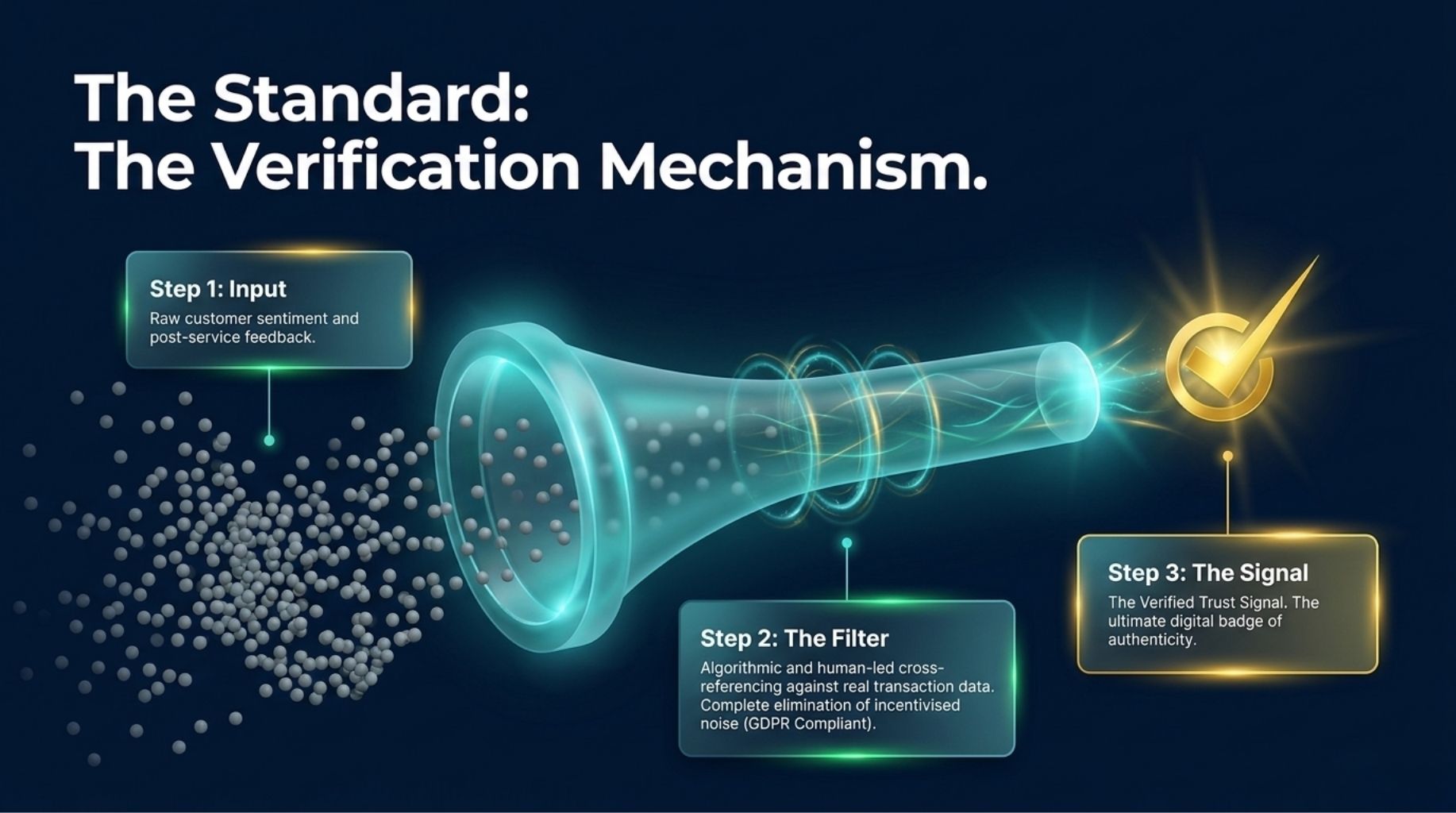
A trust signal is only valuable when the underlying system has integrity. The document’s verification mechanism shows a process where raw customer sentiment and post-service feedback are filtered through a verification engine, removing incentivised noise and supporting GDPR-aligned handling.
This matters because the review market has a credibility problem. Customers know that some reviews are fake, manipulated, paid for, or written by people with conflicts of interest. Once users doubt the review system, every business on that system suffers.
Clearsay’s framework is designed to protect against that weakness by focusing on authentic, firsthand feedback and moderation.
For businesses, this protects brand equity. A credible review environment helps ensure that good businesses are not undermined by bad data, spam, competitor behaviour, or misleading content.
For customers, it improves decision quality. They can rely on a stronger signal when choosing who to contact.
Trust requires both visibility and governance. Without governance, visibility can become noise. With proper verification, visible feedback becomes commercially useful.
Build the Loop Before Your Competitors Do
The businesses that win online are not always the cheapest, loudest, or most aggressive advertisers. Increasingly, they are the businesses that are easiest to trust.
Clearsay’s Trust Loop provides a practical framework for turning customer satisfaction into a repeatable growth asset. It starts with authentic customer experiences, converts them into verified customer reviews, displays them through dynamic trust signals, improves discoverability, and supports new customer acquisition.
The strategic takeaway is simple: do not leave trust unmanaged.
Every business already has a reputation. The question is whether that reputation is visible, verified, and working commercially. Clearsay gives businesses a way to structure that process, protect authenticity, and turn customer confidence into measurable momentum.
For businesses ready to improve online reputation, strengthen customer confidence, and build a more credible digital presence, the next step is clear.
Claim your Clearsay Business Profile Today and start building your Trust Loop.